
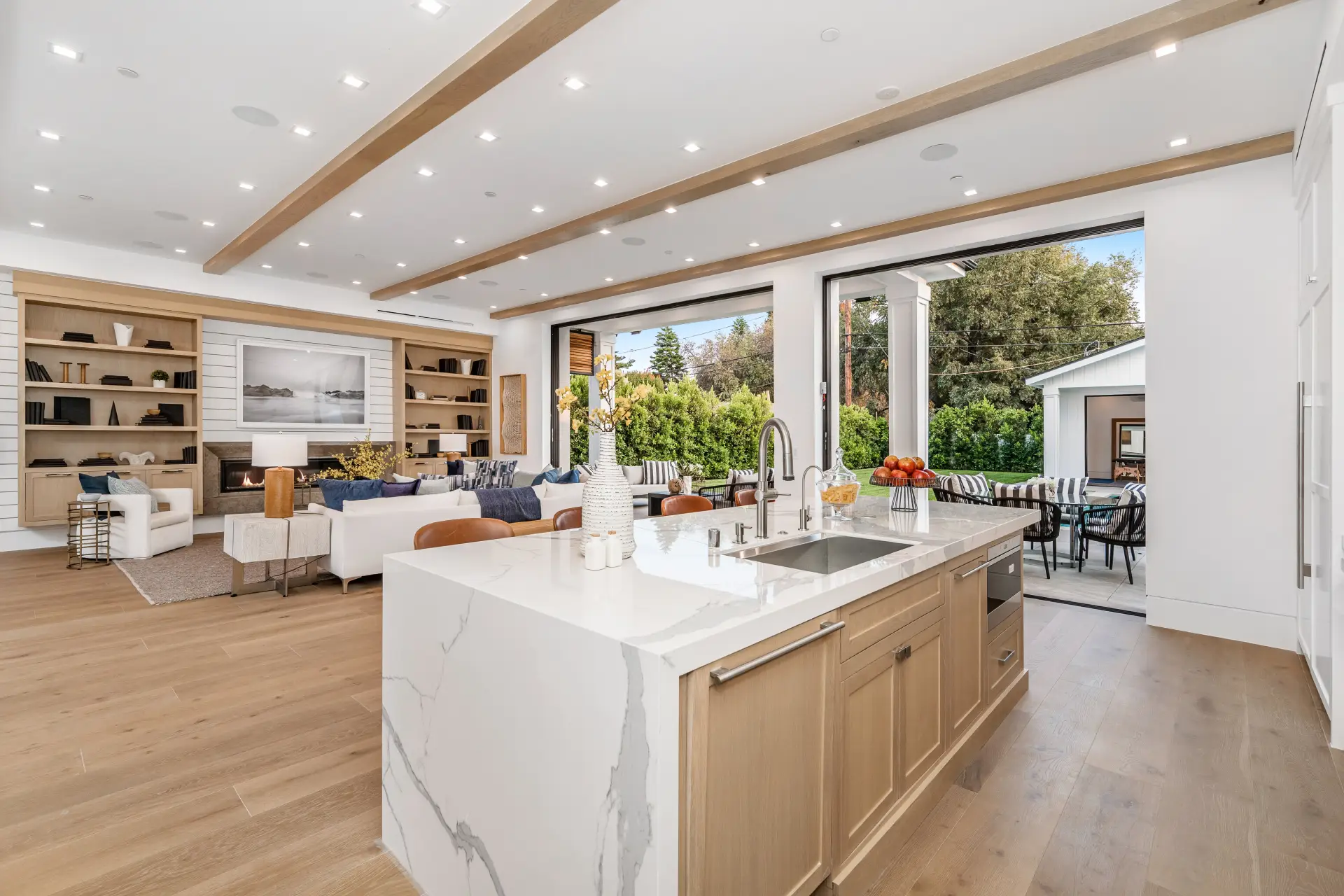
When planning a home renovation, one of the first questions homeowners ask is, “What is the most expensive part of a house to remodel?” The answer depends on the size of the project, the materials selected, the condition of the home, and the location. However, kitchen and bathroom remodeling, structural changes, and whole-home renovations are typically among the most expensive projects.
Understanding where your remodeling budget is likely to go can help you plan realistically, prioritize improvements, and avoid unexpected costs.
Is the Kitchen the Most Expensive Room to Remodel?
For many homeowners, the kitchen is one of the most expensive rooms to remodel. A kitchen renovation involves several components, including cabinets, countertops, flooring, appliances, plumbing, electrical work, lighting, and fixtures.
Cabinetry can take up a significant portion of the budget, especially when homeowners choose custom-built options. High-end countertops such as quartz, granite, or other premium materials can also increase the overall cost. If the kitchen layout changes, moving plumbing, gas lines, or electrical connections can add even more expense.
A simple kitchen update may focus on replacing cabinets, countertops, fixtures, and finishes. A complete kitchen remodel, however, may involve removing walls, changing the layout, upgrading electrical systems, and installing new appliances.
Why Are Bathroom Remodels Expensive?
Bathrooms are smaller than kitchens, but they can still be expensive to remodel because they require specialized plumbing, waterproofing, electrical work, tile installation, and fixtures.
A bathroom renovation may include a new shower or bathtub, vanity, toilet, flooring, lighting, storage, and wall tile. If the existing plumbing is old or needs to be relocated, labor and material costs can increase.
Custom tile work and walk-in showers can also add significantly to the budget. While a bathroom remodel may cost less than a major kitchen renovation, a high-end bathroom can become one of the most expensive projects in a home.
Structural Remodeling Can Be the Biggest Expense
When a remodeling project involves structural changes, costs can rise quickly. Removing walls, changing floor plans, modifying ceilings, adding rooms, or altering the home’s foundation requires more labor and specialized professionals.
For example, removing a non-load-bearing wall may be relatively straightforward. Removing a load-bearing wall can be much more complicated because the structure must remain properly supported. This may require beams, posts, engineering, permits, and additional construction work.
Structural remodeling can also uncover hidden problems such as damaged framing, outdated wiring, plumbing issues, or moisture damage. These discoveries can increase the final project cost.
Whole-Home Remodeling Costs More
A whole-home remodel is often the most expensive type of renovation because multiple rooms and systems are upgraded at the same time.
A comprehensive project might include:
- Kitchen remodeling
- Bathroom renovations
- New flooring
- Interior painting
- Electrical upgrades
- Plumbing improvements
- New windows and doors
- HVAC updates
- New lighting
- Structural modifications
- Improved insulation
The advantage of a whole-home remodel is that homeowners can create a consistent design throughout the property. However, the larger scope requires careful budgeting and project management.
What Makes a Remodeling Project More Expensive?
The room itself is not the only factor that determines remodeling costs. Several elements can significantly affect your budget.
Size of the Project
Larger rooms require more materials and labor. Remodeling a large kitchen, for example, will generally cost more than updating a small kitchen.
Quality of Materials
Material selection can dramatically change the price. Standard cabinets, flooring, and fixtures can keep costs manageable, while custom cabinetry and premium finishes can increase the investment.
Changes to the Layout
Keeping plumbing, electrical, and structural elements in their existing locations can help control costs. Moving sinks, toilets, appliances, walls, or electrical systems can require additional labor.
Labor and Skilled Trades
Remodeling often requires several professionals, including contractors, electricians, plumbers, carpenters, tile installers, and other specialists. Projects involving multiple trades usually require more planning and labor.
Hidden Problems
Older homes may contain outdated plumbing, electrical systems, damaged framing, moisture problems, or other issues that are not visible before demolition. Setting aside a contingency budget can help prepare for unexpected repairs.
How Can You Control Remodeling Costs?
A successful remodeling project starts with a clear plan. Before construction begins, determine which improvements are essential and which features are optional.
It can also help to compare material options and establish a realistic budget before selecting finishes. Instead of changing your design repeatedly during construction, finalize major decisions as early as possible.
Working with an experienced remodeling contractor can also make budgeting and project coordination easier. A professional can evaluate the existing space, identify potential problems, explain available options, and provide a detailed estimate.
What Should You Remodel First?
If your budget does not allow for a complete renovation, focus on the areas that provide the greatest value and improve everyday comfort. Kitchens and bathrooms are popular choices because they combine functionality with design improvements.
However, structural, plumbing, electrical, roofing, or safety-related issues should generally receive priority over cosmetic upgrades. Fixing important problems first can help protect your home and prevent more expensive repairs later.
Final Thoughts
So, what is the most expensive part of a house to remodel? In many cases, a major kitchen renovation, high-end bathroom remodel, structural renovation, or whole-home remodeling project can require the largest investment. The final cost depends on the home’s condition, project size, materials, labor, and how much the layout or major systems need to change.
The best way to control costs is to establish a clear scope of work, prioritize important improvements, choose materials carefully, and work with an experienced remodeling professional. With proper planning, you can create a beautiful and functional home while keeping your renovation budget under control.